
The Parole Board of Canada has revoked Donald Wayne Campbell's unescorted temporary absences (UTAs).
The convicted killer was granted three 72-hour UTAs less than a year ago, after serving 26 years in prison for the first degree murder of his wife Fenny Campbell in January, 1998.
The parole board revoked Campbell's UTAs in December, 2025 after he misled staff at a halfway house on October 27, and signed out without confirming with staff if he could leave.
The parole board said Campbell also ignored phone calls from staff at the halfway home and his parole officer that day.
"You mislead staff to get what you wanted, failed to acknowledge doing anything wrong, and continue to misrepresent facts, maintaining you had permission when you did not," read the Parole Board of Canada decision.
Campbell's UTA was suspended the following morning.
In its decision, the board said it found Campbell's risk in the community to be "elevated and no longer manageable."
"Your willingness to mislead staff, by omission or otherwise, thwarts the ability to ensure compliance, which is critical to managing risk on your UTAs. Further, the area parole office, in consultation with the institutional CMT, believe that your behaviour while on this second UTA is reflective of your offence cycle, where you tried to cover up your offending in the face of clear evidence, and continue to deny your offence. In considering all of the facts, the Board is in agreement," it read.
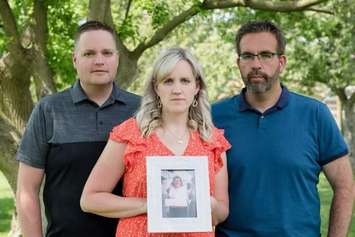
At the time his UTAs were approved, his children were disappointed the decision was made following a paper review and without any input from their father's victims.
In a previous interview with Sarnia News Today, Joel Campbell said his father continues to deny any responsibility for his offence.
Conditions were placed on Campbell, such as staying out of Sarnia-Lambton, London-Middlesex and Chatham-Kent during his absences. He was also not permitted to contact the family.
Campbell can appeal the decision to revoke his UTAs and reapply in the future.
Previous requests for early day parole in 2022, and unescorted temporary absences in 2024 were both denied.