
Local residents are invited to help shape a new exhibit at Grey Roots Museum and Archives by sharing their personal experiences of how weather and environmental conditions in Grey County have changed over time.
“Wild Weather,” a travelling exhibit developed by Science North in partnership with the Ontario Science Centre, is set to arrive at Grey Roots in May 2026. To complement the exhibit, members of the Georgian Bluffs Climate Action Team are working closely with Grey Roots curatorial staff to develop a locally focused display that highlights how changing weather patterns are being felt right here in the region.
Organizers are looking for firsthand stories from people who live and work in the area, including residents, farmers, and business owners. They want to hear how shifts in weather and environmental conditions have shaped daily life, livelihoods and the local landscape over the years.
Stories that span a decade or more are especially valuable, with a particular interest in accounts that reach back 30 years or longer. Multi-generational farming families are encouraged to participate, but organizers stress that a wide range of perspectives is welcome. Whether someone grows apples, produces maple syrup, maintains community infrastructure, enjoys outdoor activities like skiing or birdwatching, or simply notices changes while caring for pets or property, those observations can help tell the story of a changing climate.
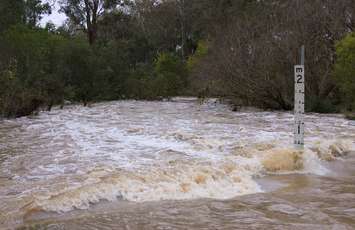
The team is interested in hearing about changes to precipitation, temperature extremes, growing seasons and severe weather events, as well as how those changes have affected land use, work, recreation or infrastructure. They are also hoping to understand experiences of loss, such as flooding or storm damage, and how those events have had lasting impacts on individuals and communities.
In addition, organizers want to learn how people have adapted. Farmers, for example, may have adjusted planting schedules, changed crop varieties, invested in new equipment or altered operations in response to shifting conditions. Contributors are encouraged to share what has worked, what hasn’t, and what changes they may be considering in the future.
Photographs that show “then and now” perspectives are also welcome, helping illustrate how farms, businesses and natural spaces have evolved over time.
Those interested in contributing are asked to submit a short description of who they are and what their story is about, approximately 300 words or fewer, along with photos if available. After submissions are received, organizers will follow up directly.
Stories can be sent by email to a2gbcat@bmts.com.