
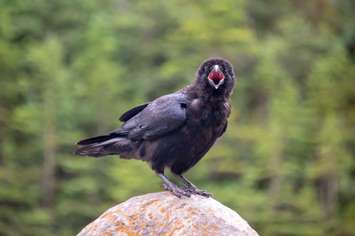
No human cases yet, but the Windsor Essex County Health Unit says it's been notified that a crow has tested positive for West Nile Virus.
That, after a second mosquito pool in the region also tested positive for the mosquito-borne virus.
The health unit says that while there are no human cases, the discovery of the bird and the second mosquito pool indicates the virus is present in the local environment.
"Residents can significantly reduce their risk by preventing mosquito bites and removing standing water around their homes," said Medical Officer of Health Dr Mehdi Aloosh.
Most who contract West Nile Virus do not become ill. Those who do suffer symptoms will experience fever, headache, body aches, fatigue, nausea, and vomiting. In rare cases, the virus can cause neurological illness, including inflammation of the brain or spinal cord.
It's spread through mosquito bites, so the health unit recommends using insect repellent containing DEET, Icaridin, or other approved ingredients. Residents should also wear light-coloured, long-sleeved shirts, pants, and a hat while outdoors, and limit activities outside during dawn and dusk when mosquitoes are most active. It's also a good idea to make sure there are no holes in window screens.
Residents can report standing water on municipal property by calling 311.