
The Municipality of Kincardine says work is underway on a multi-year sludge removal project at its wastewater lagoons, as nearby residents continue to raise concerns about strong odours from the site.
According to the municipality, the Lagoon Sludge Removal Project is intended to "restore treatment capacity and improve the long-term performance of the Kincardine wastewater lagoon system."
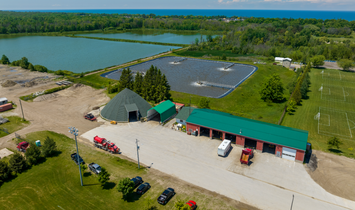
The lagoon system was built in the 1960s and remains Kincardine’s main wastewater treatment facility. The municipality says solids, known as sludge, naturally build up over time at the bottom of lagoon cells. While that is a normal part of the treatment process, officials say larger volumes can reduce available treatment capacity and affect system performance.
A detailed engineering assessment in 2024 identified significant sludge accumulation. The municipality began a long-term removal program in 2025 with Bishop Water Technologies, with phased work expected to continue for several years.
The municipality says the work is being done gradually "to safely manage the scale of the system and maintain ongoing wastewater treatment operations."
In a Facebook post, Ward 1 Councillor Beth Blackwell said residents have been telling her about serious odour problems around the lagoons.
"Both last year and this spring, residents have shared with me how difficult and at times debilitating the odours from the lagoons have been," Blackwell wrote. "I fully acknowledge how impactful and frustrating this issue has been for nearby residents and those using adjacent recreational facilities."
Blackwell said she is not an expert in wastewater treatment, but has been trying to better understand the issue and advocate for mitigation measures, more monitoring, and better communication.
She said sludge accumulation is a major factor, but not the only concern.
"The sludge accumulation within the lagoons is a significant factor but there are additional issues at the site that are compounding current odour issues," Blackwell wrote.
She also said staff have been unable to find records showing sludge was ever removed from the larger ponds, which are more than 60 years old. Sludge was last removed from the smaller pond in 2012.
According to Blackwell, "unexpectedly low dissolved oxygen levels in the aeration pond are believed to be contributing to the odour issues that have recently impacted the community." She said the aeration system is performing below standards and troubleshooting work is underway.
Blackwell said staff have been speaking with the Ministry of the Environment, engineers, manufacturers and suppliers about options for faster odour reduction. She said that includes "a planned application of sodium nitrate," intended to suppress odours and help increase dissolved oxygen levels.
Interim Deputy Mayor Mike Hinchberger also referenced the issue in a Facebook post, saying "compliance with effluent limits has been a growing concern, with little evidence of sludge removal being completed at either plant dating back decades."
In a June Facebook update, the municipality said residents in surrounding areas may experience occasional odours during active sludge removal. "While unpleasant, these odours are expected and can vary depending on wind and weather conditions," the post said.
The municipality says staff continue to monitor conditions through regular operational and safety procedures, and no concerns have been identified.