
The Town of South Bruce Peninsula says it is continuing to balance beach maintenance with environmental protection at Sauble Beach, as it adjusts to recent changes in provincial legislation and ongoing federal protections for the endangered piping plover.
The municipality is responsible for maintaining the beach from 7th Street North to Chief’s Point. It says that after the repeal of Ontario’s previous Endangered Species Act and its replacement with the Species Conservation Act, the piping plover is no longer listed under provincial protections, meaning the town can no longer seek provincial permits or guidance for some maintenance work.
However, the bird remains listed as endangered federally, and the town says it has been working with federal agencies and conservation partners to ensure its practices remain compliant.
"The Town of South Bruce Peninsula is committed to the protection of the Piping Plover regardless of what level of government provides oversight," a media release from the town said. It adds that it continues to follow previously issued provincial guidance "as the best practice pertaining to the protection of the Piping Plover and beach maintenance activities."
The town also says it recognizes Sauble Beach as a unique environment and that its approach is focused on balancing public use of the shoreline with environmental stewardship.
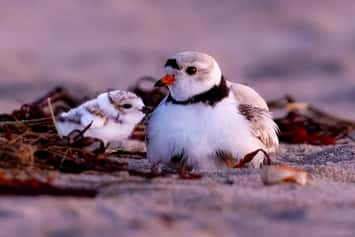
The piping plover is a small shorebird that nests on sandy beaches during the spring and summer, relying on undisturbed habitat to successfully breed and raise its young. Conservation efforts have been ongoing at Sauble Beach for years, following court decisions that found past maintenance work had damaged nesting habitat.
Similar protection efforts are also in place along nearby shorelines, including Wasaga Beach, where piping plovers have returned to nest in recent seasons as conservation measures continue.
Sauble Beach remains one of the key nesting areas in Ontario, with breeding season typically running from April through August.